The Basics: Where Your Money Should Go
Before you do anything else, understand your take home pay. That's what actually hits your bank account after taxes and deductions. Base all your planning on that number, not your salary.
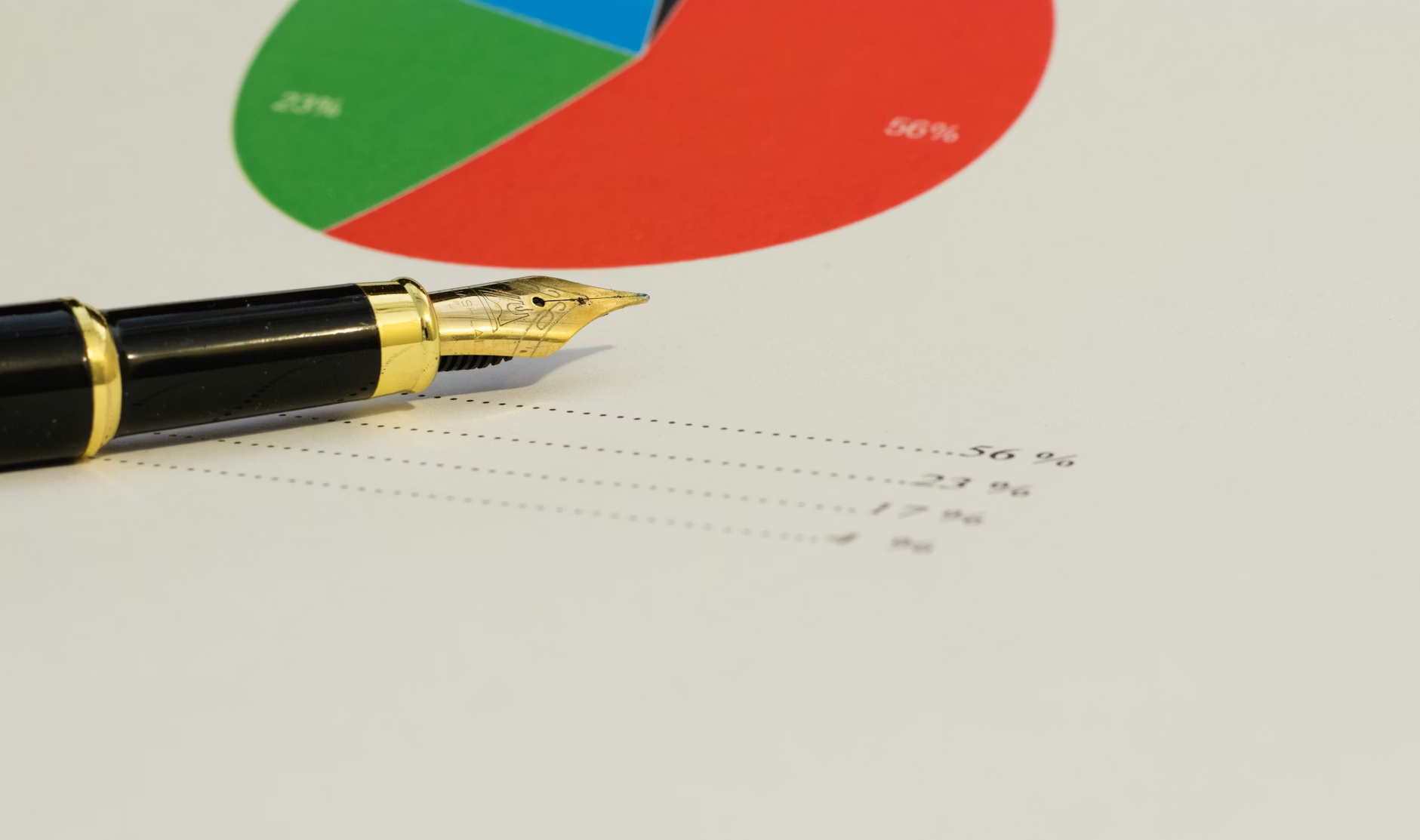
A simple starting framework: 50% for needs like rent, utilities, groceries, and transportation. 30% for wants like entertainment, dining out, and shopping. 20% for savings and debt payments. This isn't perfect for everyone, but it's a solid starting point.

The First Priorities
If your employer offers a 401k match, contribute at least enough to get the full match. That's free money. Literally. After that, build a small emergency fund of $1,000 to $2,000. This keeps you from going into debt for minor surprises.
If you have high interest debt like credit cards, attack that next. The interest on credit card debt will outpace any investment returns you might earn. Getting rid of it is the best guaranteed return you can get.
Avoid the Common Traps
Lifestyle inflation is real and it's fast. When you go from college budgets to real paychecks, everything seems affordable. But spending to your new limit means you'll never get ahead.
- Don't buy a car just because you can get approved
- Keep your rent under 30% of take home pay
- Avoid store credit cards with their terrible interest rates
- Learn to cook at least some basic meals
The decisions you make in your first few years of working have a massive compounding effect on your future wealth.

Start Tracking Now
The habit of knowing where your money goes is easier to build when you have less of it. Start using Spendify now and you'll have years of financial data to look back on, plus habits that serve you as your income grows.

.avif)